
Product UX Design | UX/UI | Interaction Design | Information Architecture | Workflow & Systems Design | Data-Informed UX | Prototyping | User Research | Usability Testing | Design Systems | Cross-Functional Collaboration
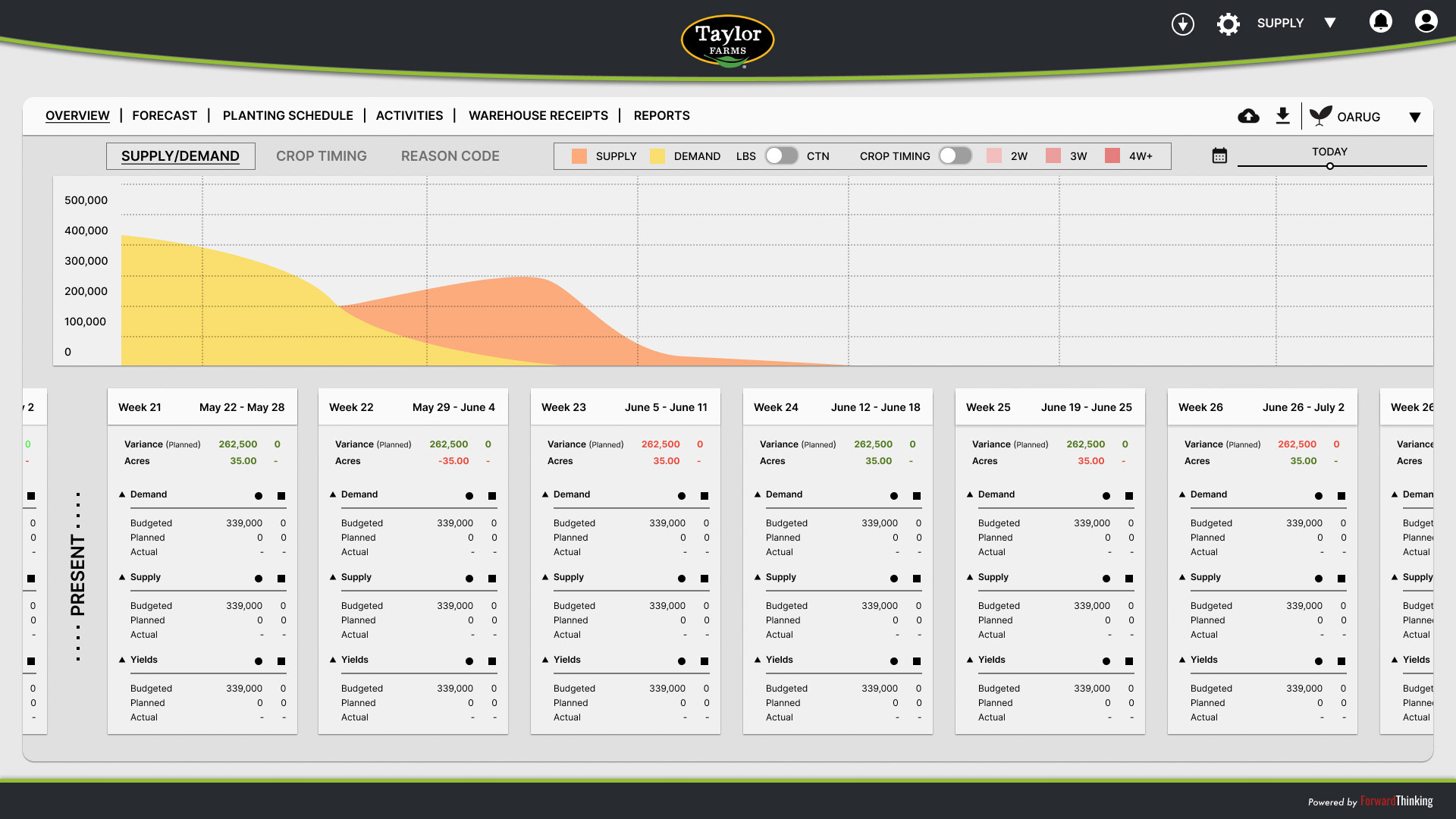
Forward Thinking — Agriculture SaaS Platform Redesign
Forward Thinking partnered with me to modernize a complex agriculture SaaS platform used by growers, distributors, and internal field teams. The product supported critical ordering, inventory, and operational workflows, but had grown difficult to use due to fragmented UI patterns, dense data presentation, and inconsistent interaction models. The goal was to simplify decision-making, improve usability across roles, and establish a scalable design foundation to support future product growth.
The Challenge
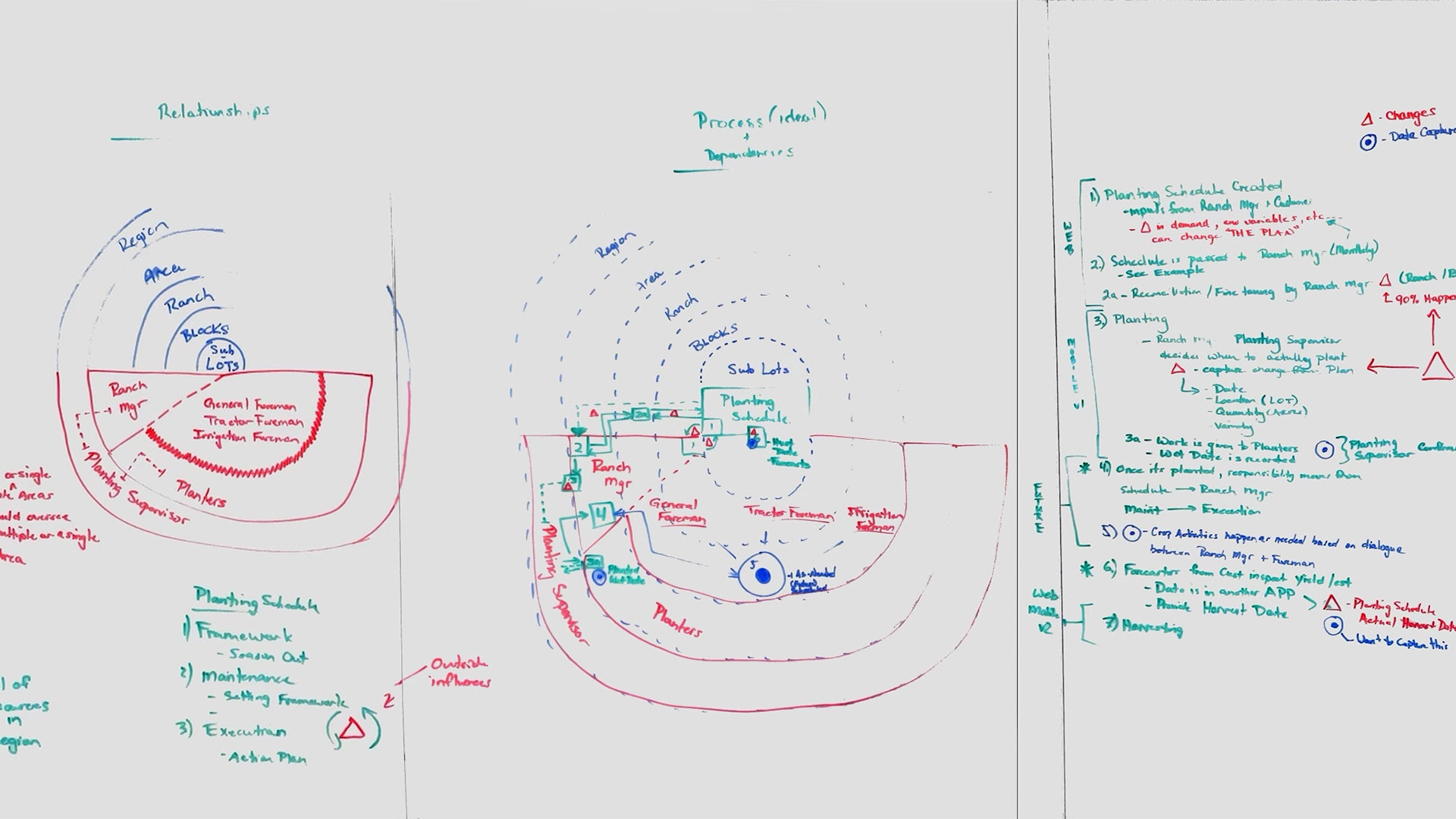
The platform would serve multiple user types - each with different goals, technical comfort levels, and environments - yet relied on a one-size-fits-all interface. Key workflows were multi-step and error-prone, dashboards surfaced too much information without clear hierarchy, and legacy design patterns made onboarding and daily use increasingly difficult. Any design needed to reduce cognitive load while preserving the depth and flexibility required for real-world agricultural operations.
My Role
As Lead Product Designer, I owned the end-to-end UX and visual design effort - from discovery through high-fidelity prototyping. I worked closely with product, engineering, and executive stakeholders to reframe complex workflows into clear, predictable user paths. My role included defining interaction patterns, restructuring information architecture, designing scalable components, and producing production-ready Figma deliverables to support implementation.
Approach
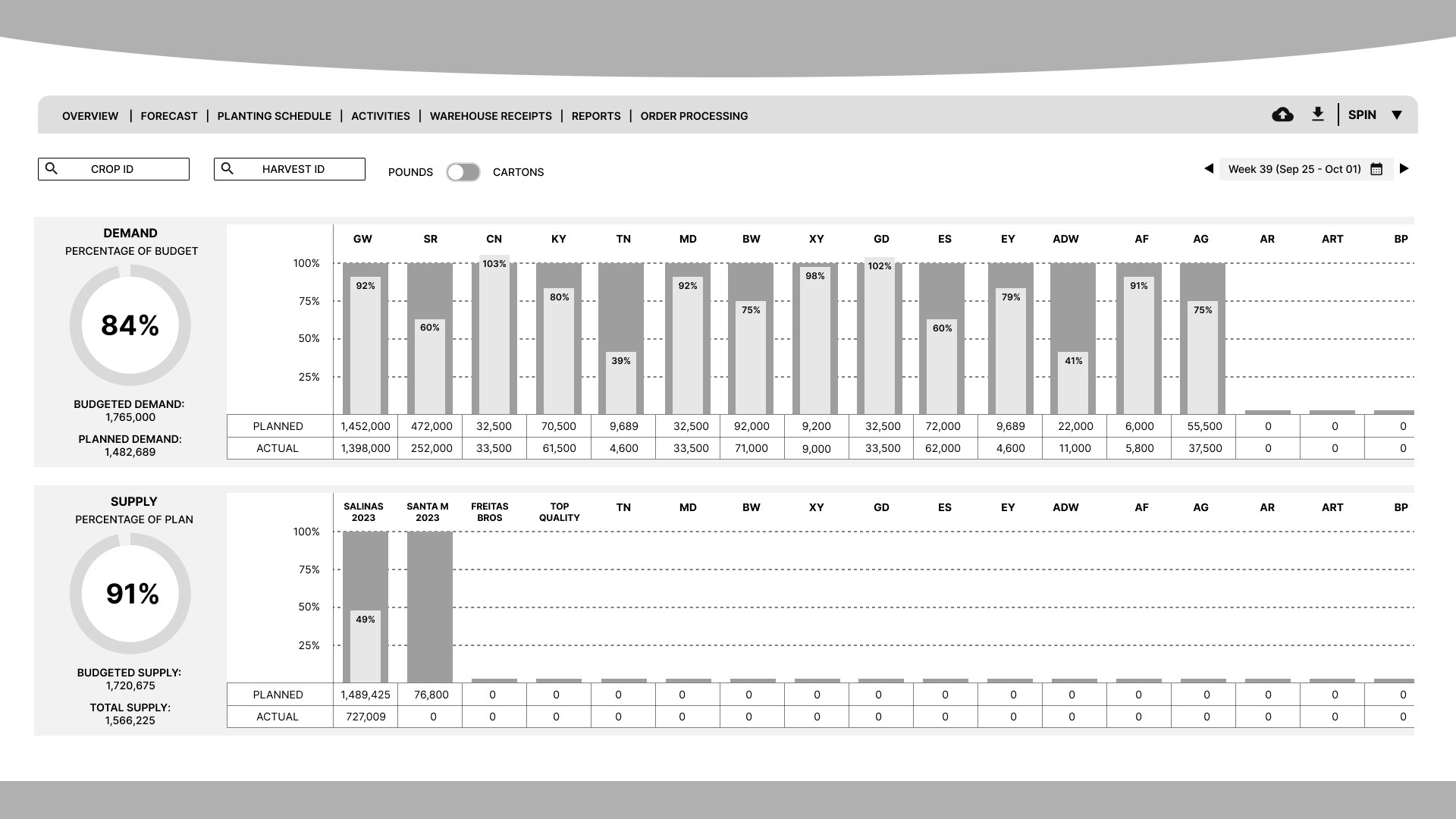
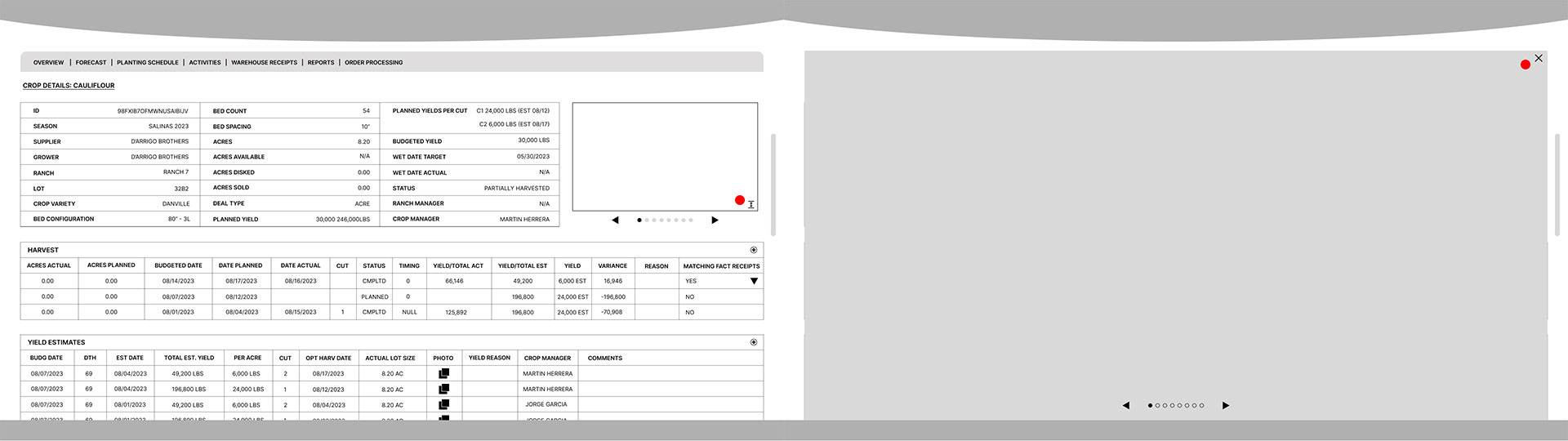
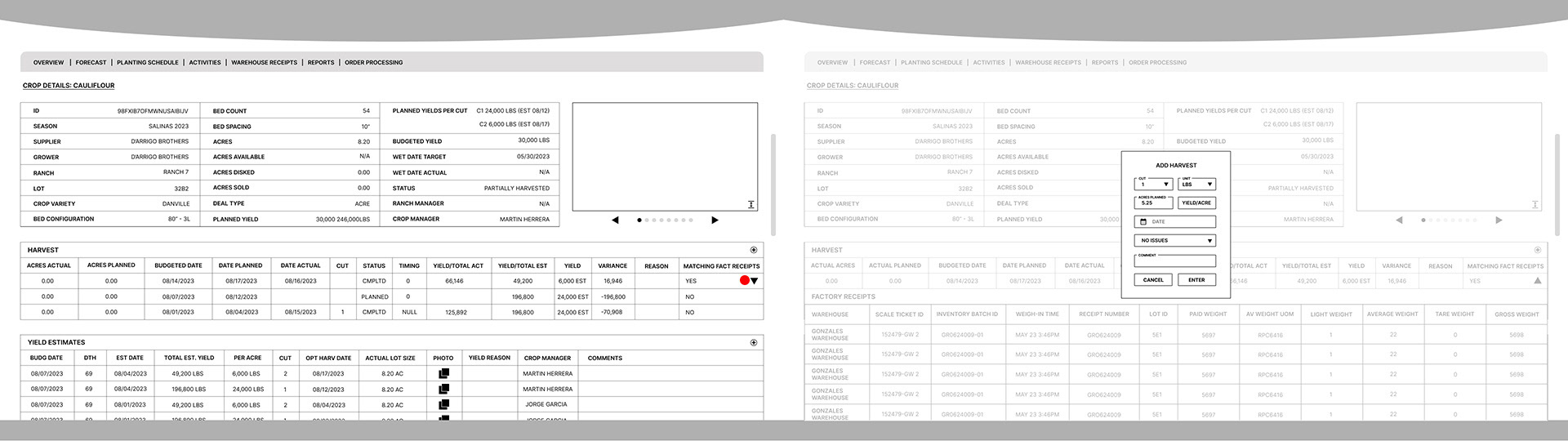
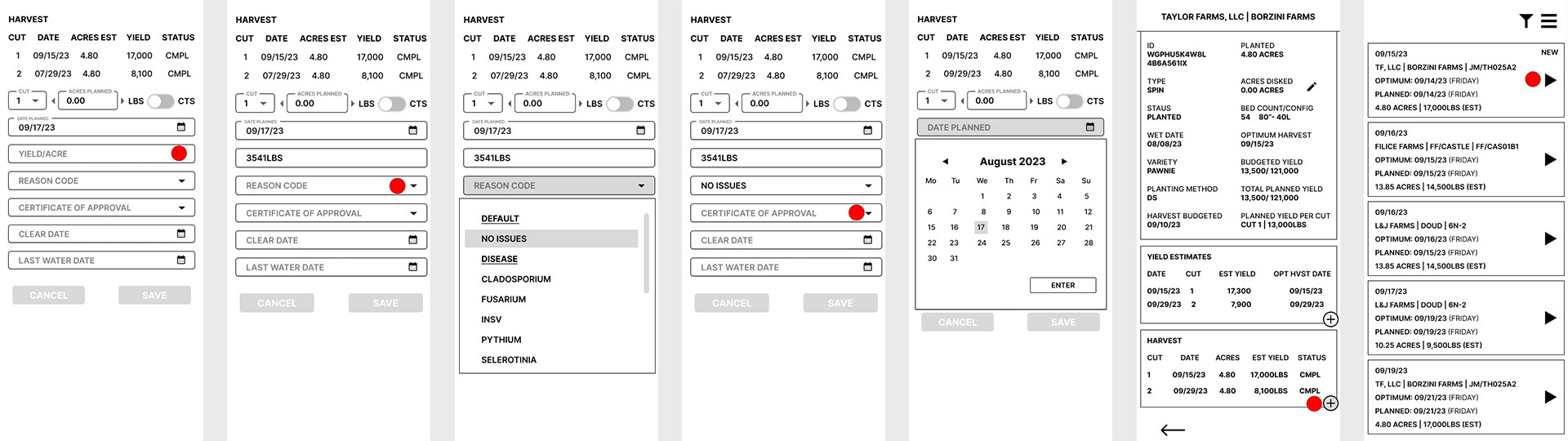
I began by mapping critical user journeys and identifying points of friction across ordering, data review, and dashboard workflows. From there, I consolidated redundant actions, clarified system states, and introduced consistent visual hierarchy to guide users through complex tasks with confidence. Rapid prototyping allowed us to align quickly on direction, test assumptions, and iterate before committing to build - helping teams move faster without sacrificing quality.
Design Solution
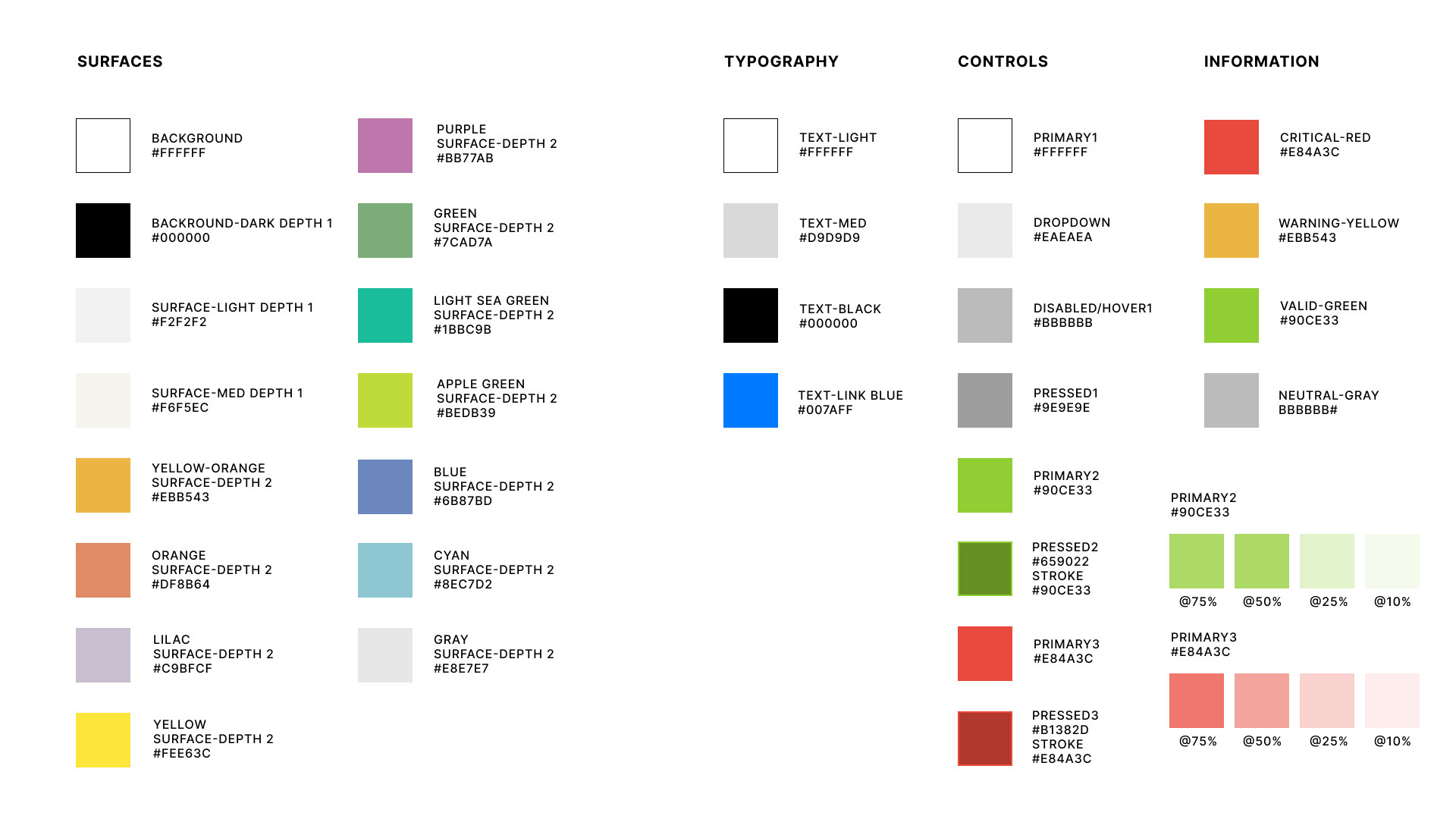
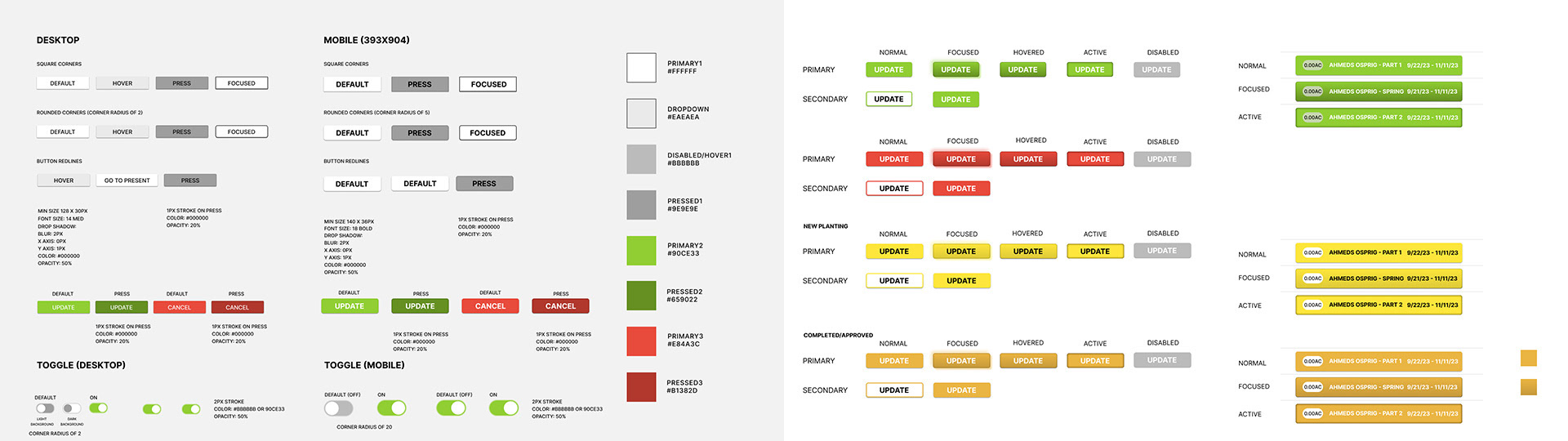
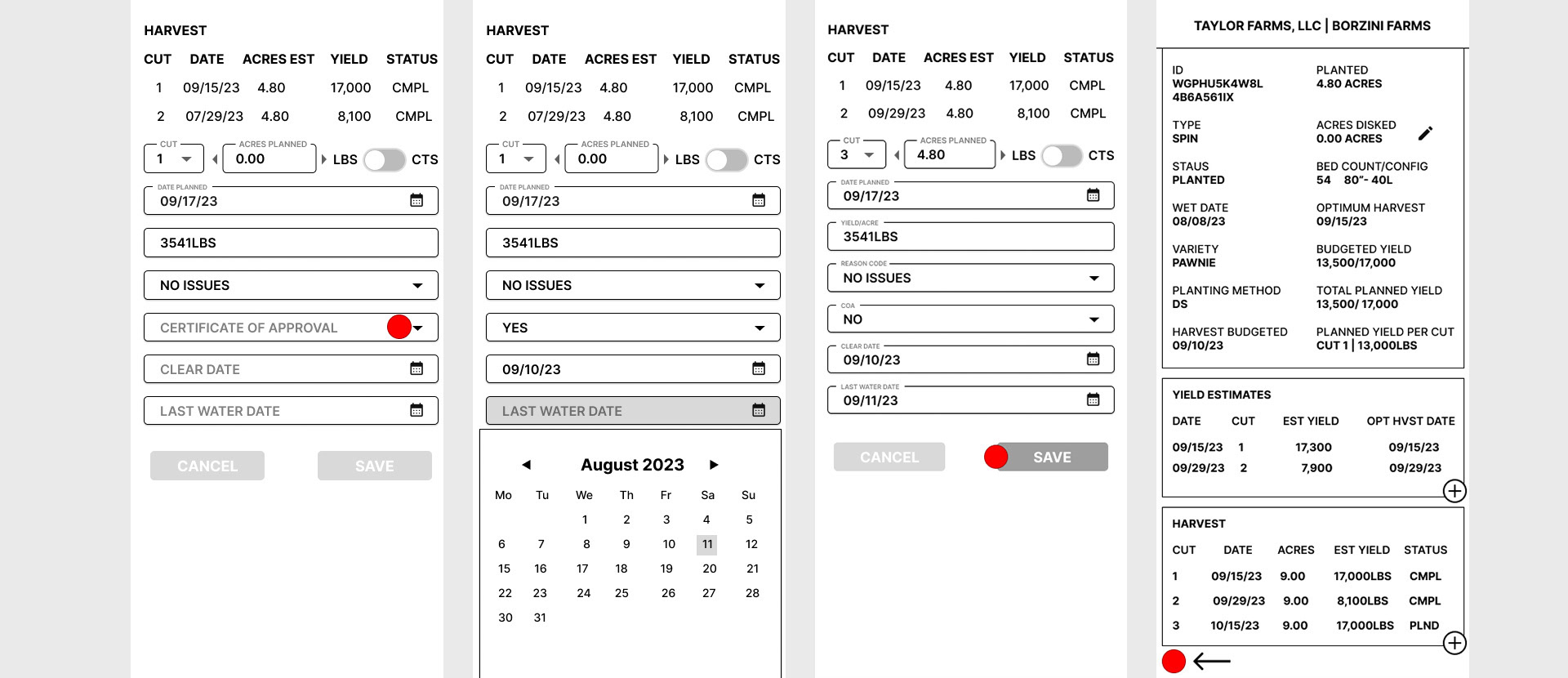
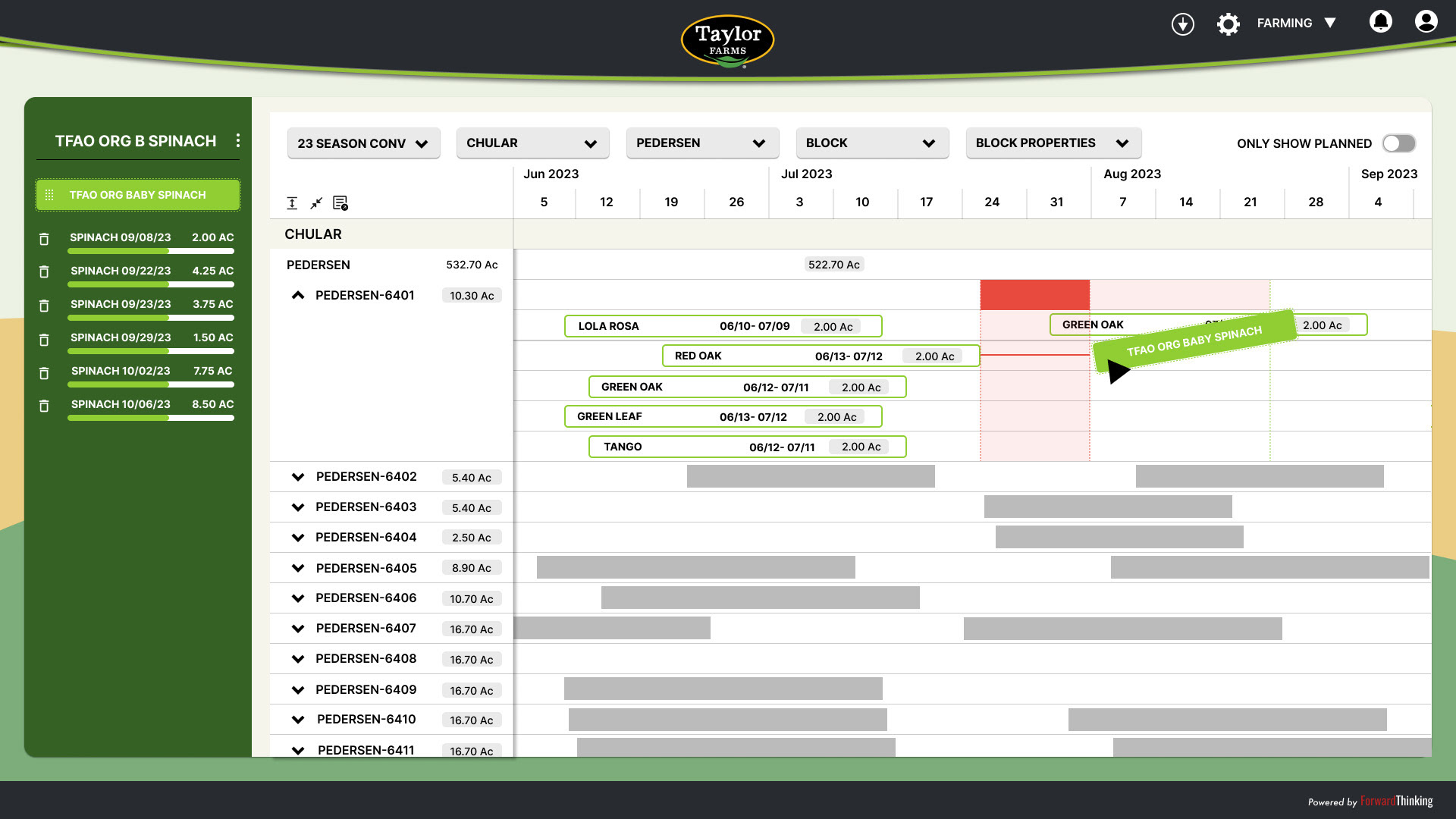
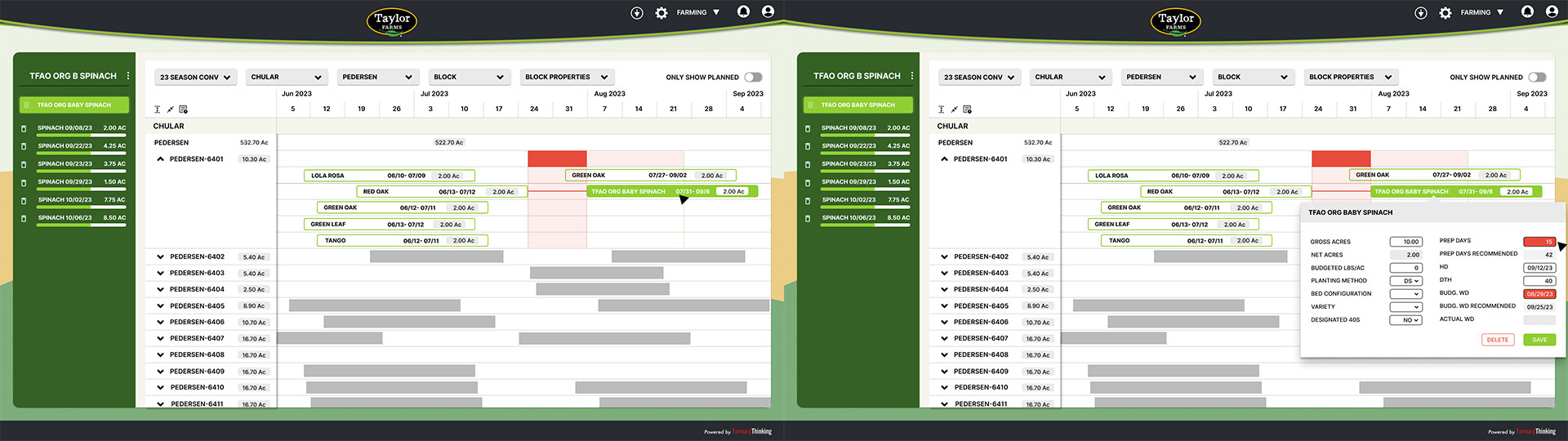
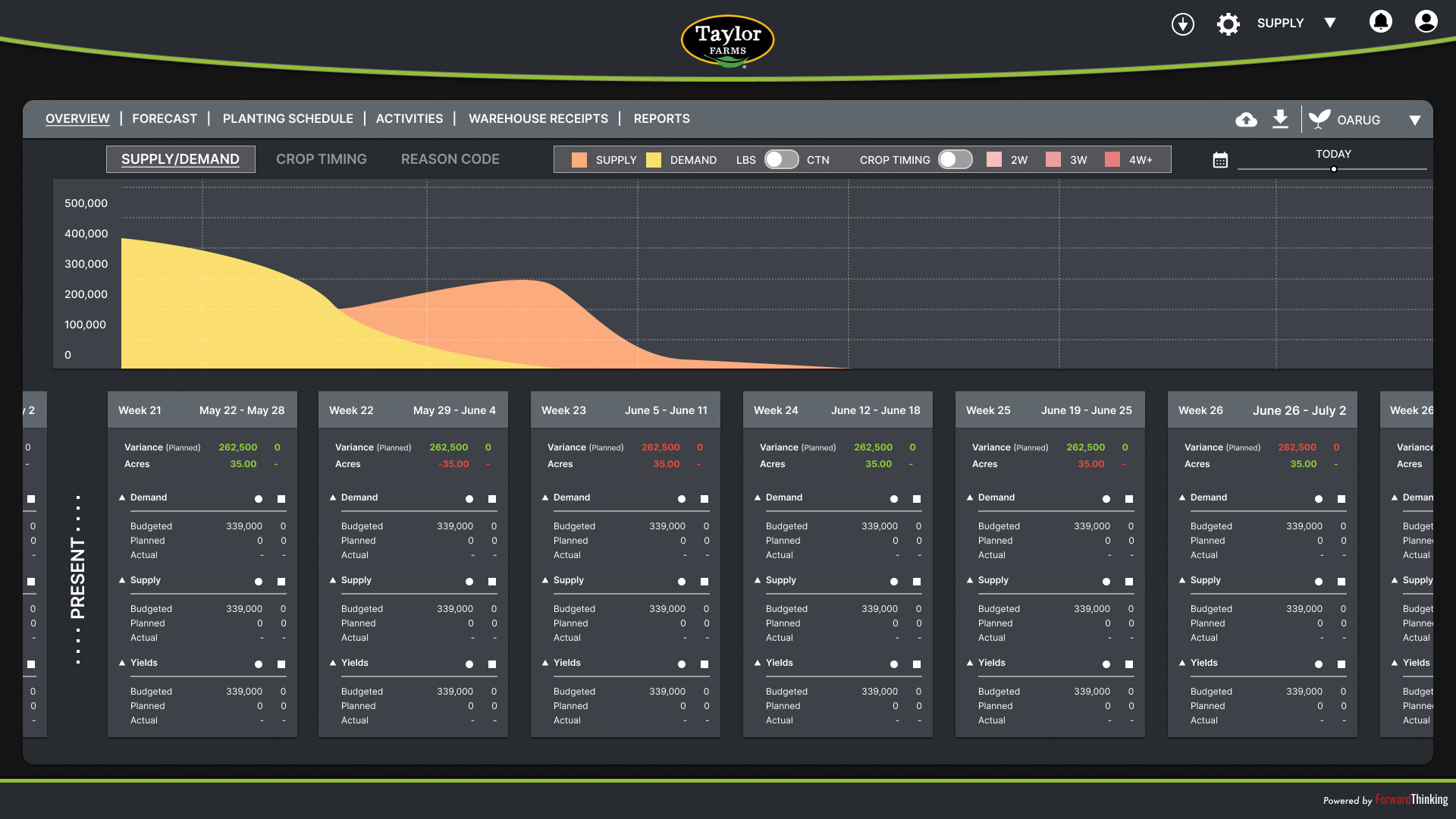
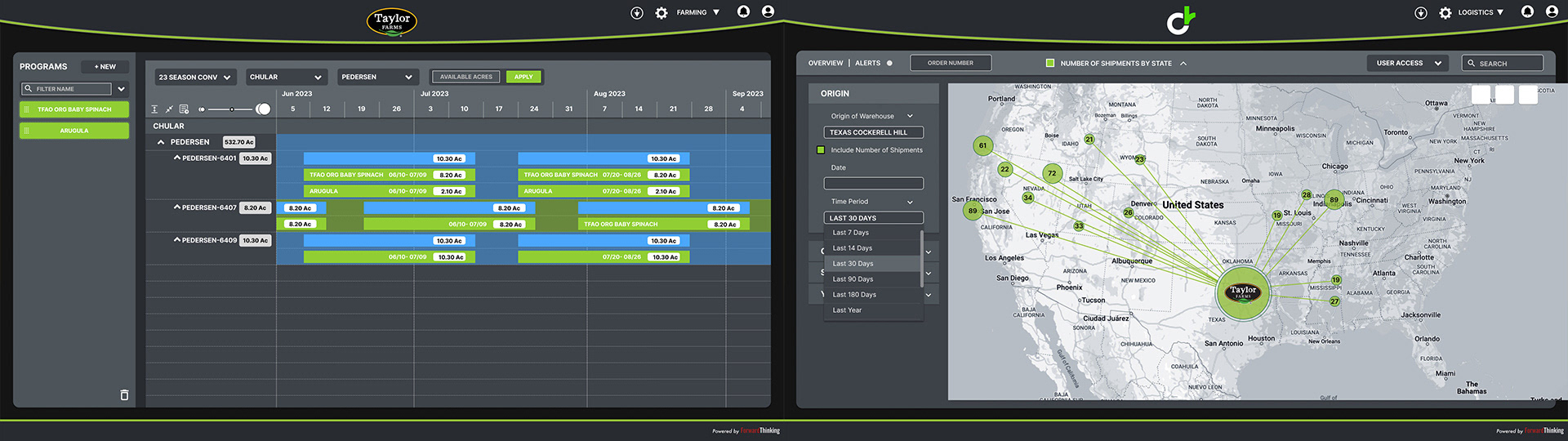
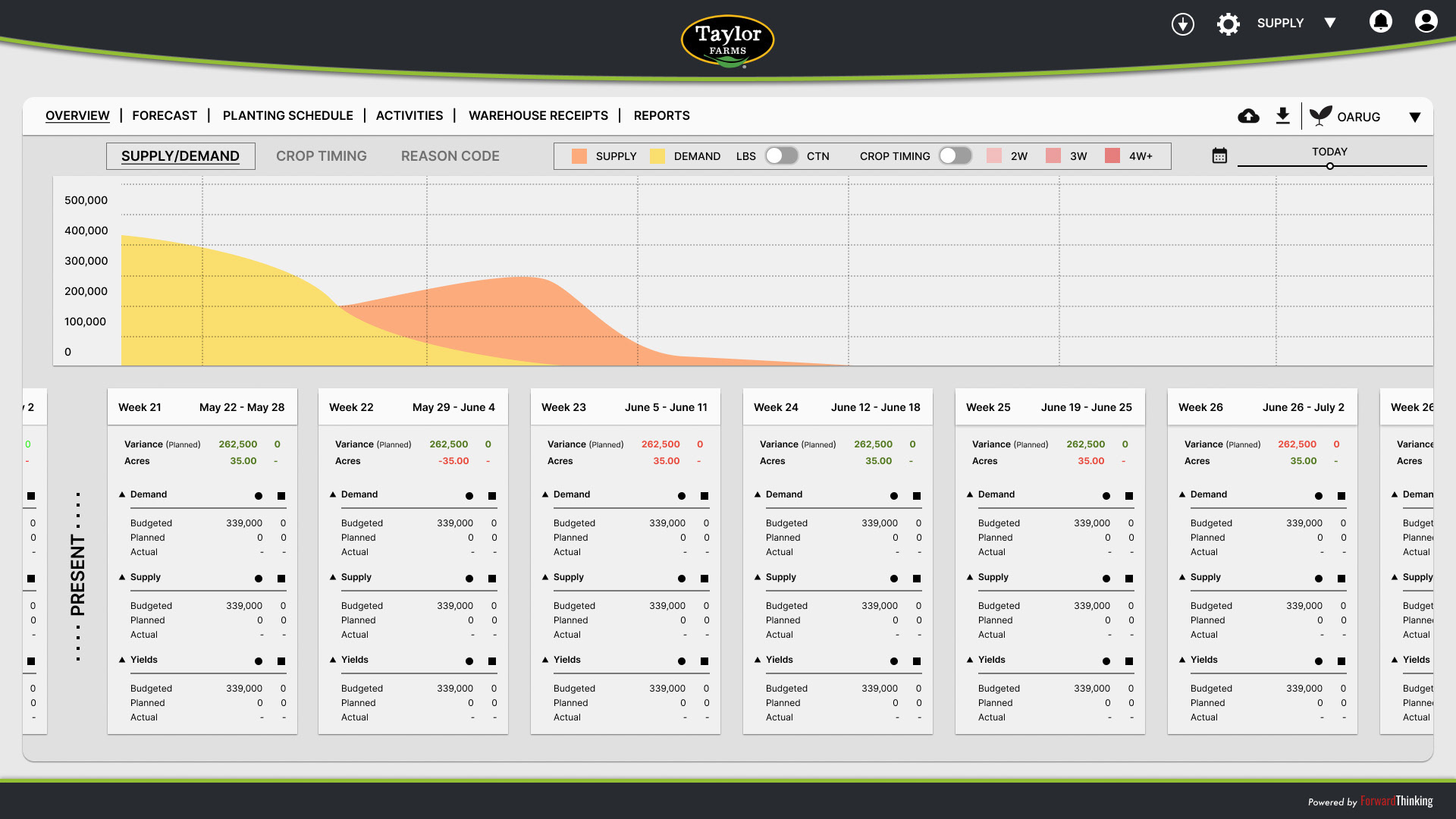
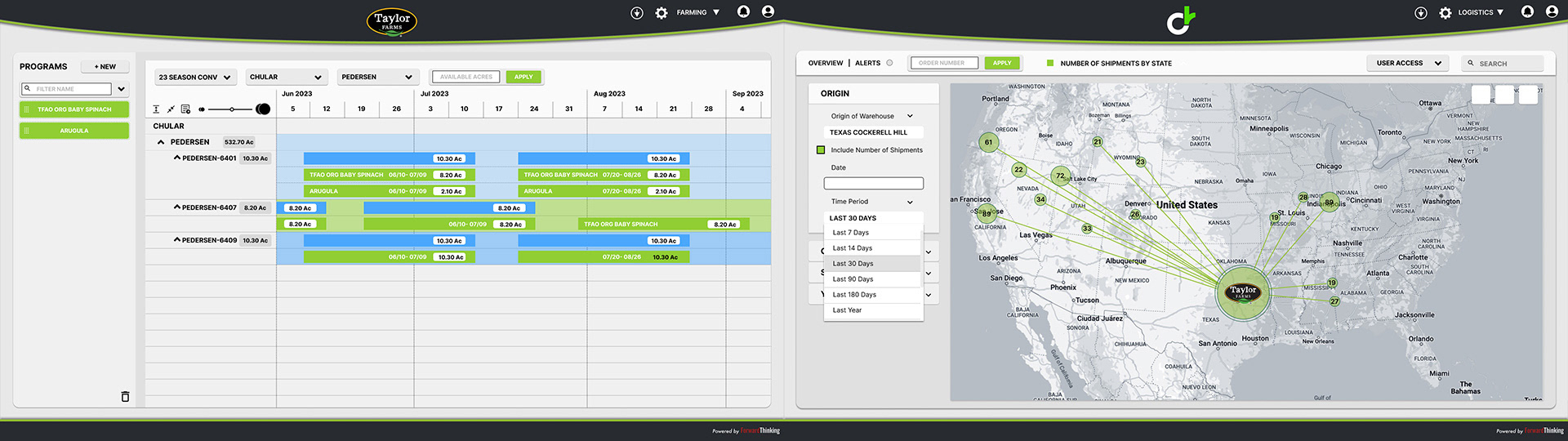
The design introduced a modernized UI system with clear layout structure, improved spacing, and accessible color usage to support readability across data-dense screens. Dashboards were worked to surface the most important information first, while secondary details remained discoverable without overwhelming the user. Components and interaction patterns established consistency across the platform, making workflows easier to learn, faster to execute, and more resilient as features expanded.
Collaboration & Delivery
I partnered closely with engineering throughout the process, ensuring designs translated cleanly into build through detailed documentation, component definitions, and developer handoff. High-fidelity prototypes were used to align executives, product leaders, and technical teams around a shared vision - reducing ambiguity and accelerating decision-making. The result was a scalable design system and interaction model that supported both immediate improvements and long-term evolution of the product.
Impact / Outcome
The redesign improved clarity across core workflows, reduced friction in daily use, and provided a flexible foundation for ongoing feature development. By translating complex agricultural operations into intuitive, human-centered experiences, the platform became easier to adopt, easier to scale, and better aligned with the needs of its diverse user base.